Concrete
Concrete is constantly retaining water, such as rain, irrigation, or humidity due to its porous nature. During the winter, this built up moisture contract and expand as the temperatures go up and down. Even in a mildly chilly climate such as Florida, this can wear on concrete over time. The signs of concrete winter damage include:
- Cracking
- Discoloration
- Pitting or surface erosion
Roofing
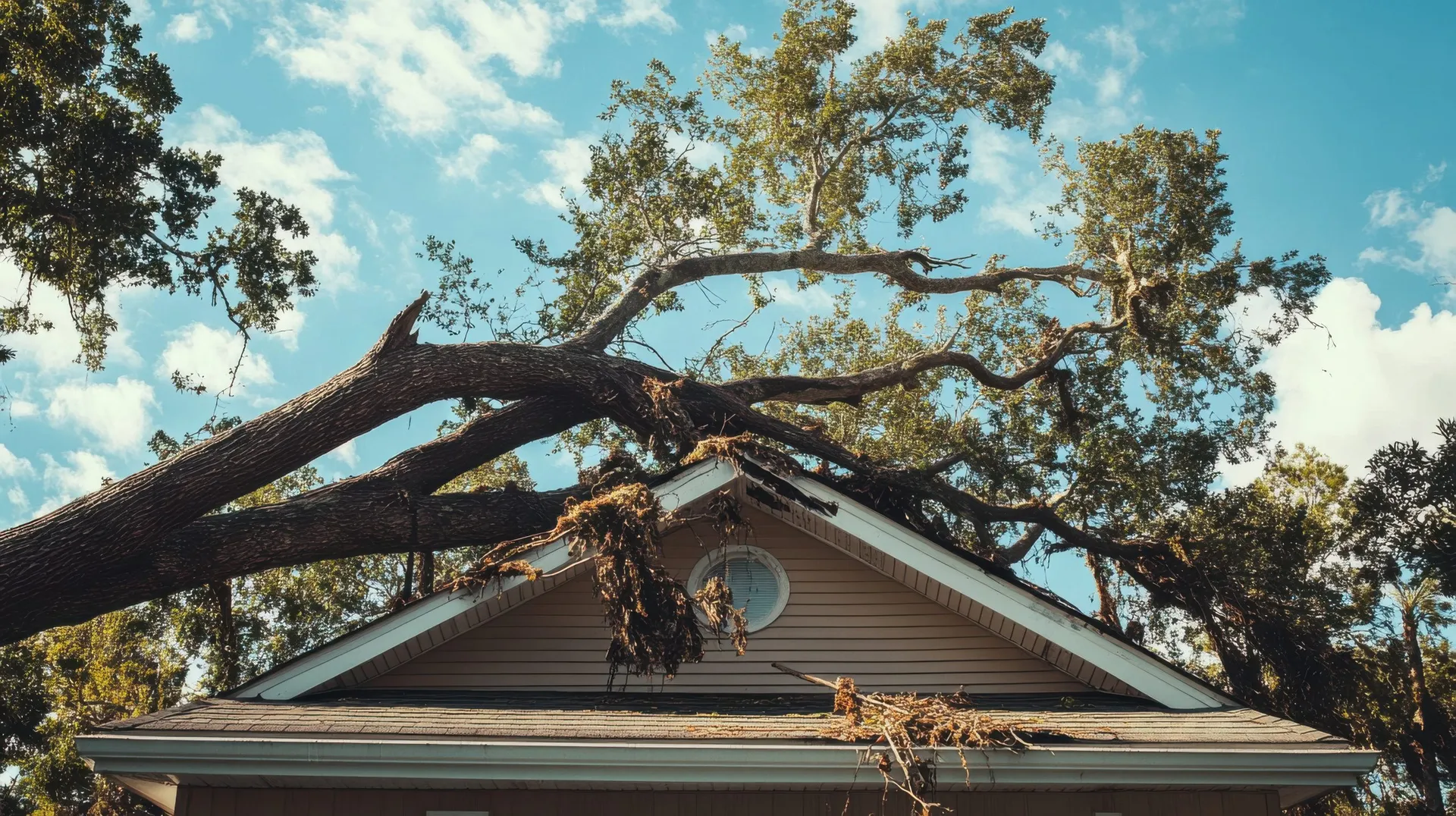
Due to Florida’s naturally high temps, lots of homeowners and businesses are investing in what the Florida Department of Energy calls “cool roofs”, a roofing system designed with high solar reflectance to direct heat away from buildings. However, even slightly cooler temperatures in Florida can impact roofing significantly. When cold snaps hit the state of Florida, it happens quickly, putting stress on roofing systems. Over time, water seeps in and rots wood or creates mold. Most of the time, you’d never even know there was moisture damage it until it’s too late. Early signs of cold weather roofing damage include:
- Curling shingles
- Cracks or splits
- Loose or missing flashing
- Water stains on the ceiling or in the attic
- Raised nail heads
Overall, different materials respond in different ways to cold weather. To speak with a professional about how you can protect your home and business this winter, visit our Contact Us page.
Notifications