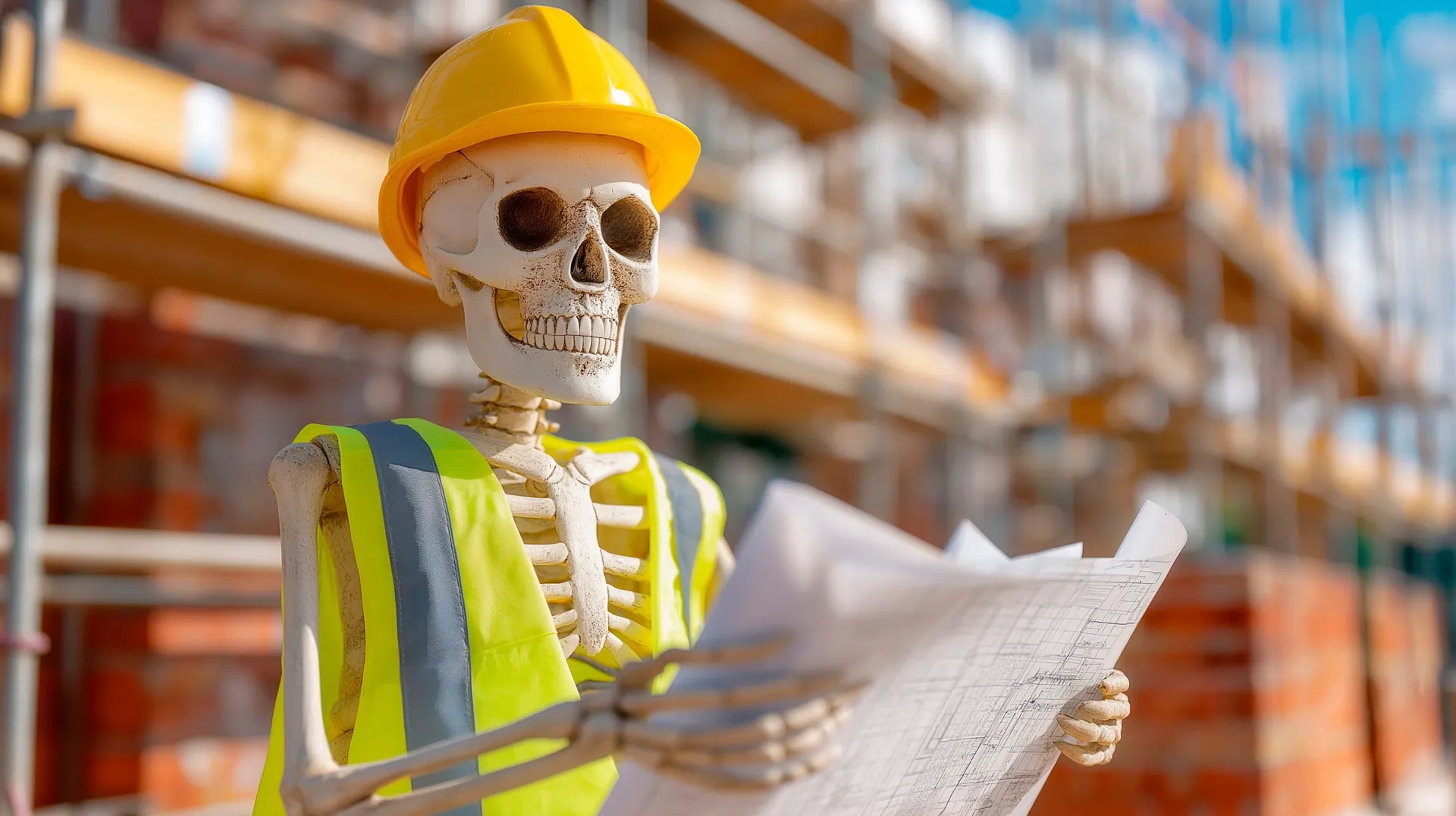
Just like a skeleton gives structure to the human body, a building’s framework determines its strength and stability. In Florida, where high winds, floods, and shifting soils test every structure’s limits, the 2023 Florida Building Code lays out the “bones” every builder must follow. Chapter 16, Structural Design, is the blueprint for keeping Florida’s buildings safe, stable, and storm-ready.
Wind Resistance
The latest code updates align with ASCE 7-22, redefining Florida’s wind speed maps and design pressures. These standards ensure that buildings can endure hurricane-force winds based on location, exposure, and importance. From coastal condos to inland warehouses, proper wind design is no longer just best practice; it’s a legal and safety requirement.
Load-Bearing Basics
Every structure must account for a combination of dead loads, or the building’s weight, live loads, i.e. people, furniture, equipment, and environmental forces like wind, soil pressure, or seismic activity. The code outlines formulas for how these loads combine and interact, preventing stress failures and ensuring long-term durability.
Soil, Floods, & Foundations
Florida’s sandy soil and frequent flooding demand thoughtful foundation work. Chapter 16 incorporates FEMA floodplain standards and requires that new construction in flood-prone zones rise above base flood elevation. For builders, this means investing in detailed geotechnical reports and stronger foundation systems that keep structures standing firm.