Hurricanes Helene and Milton may be in the rearview mirror, but their wake has left families, homes, businesses, and communities in a puddle of chaos. Properties are plagued with profound water and structural damage, electrical failures, and landscape destruction.
The injury that commercial and industrial properties sustained is devastating. These businesses and manufacturers are essential to economic growth by creating jobs and, ultimately, shaping the community. However, when the storms have passed and the skies have cleared, we can begin to rebuild. Our team has gathered the best resources to ensure that commercial and industrial space owners can repair and rebuild properties that last through the storm.
Roofing
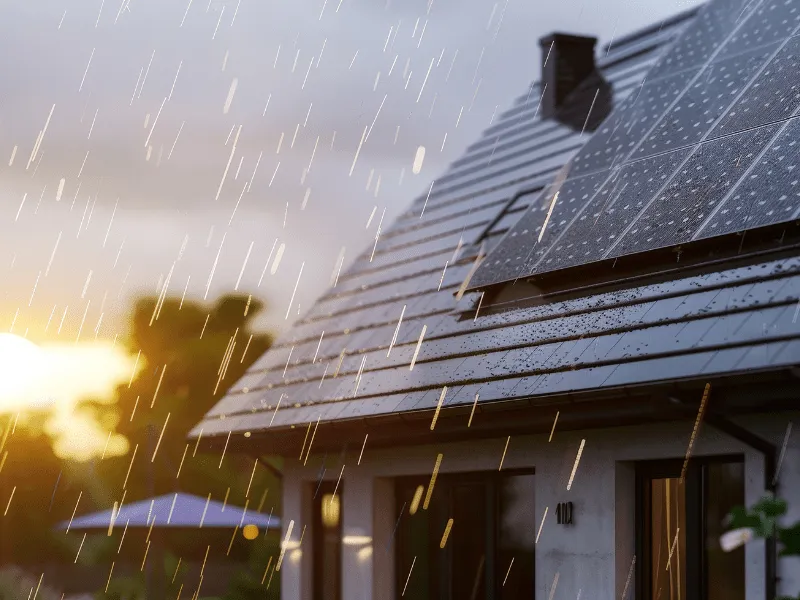
According to Splash Pro Restoration’s guide book Essential Storm Damage Prevention for Commercial Buildings, those in storm-prone areas should consider upgrading to storm-resistant roofing materials. Impact-resistant, such as polymer or styrene-butadiene-styrene (SBS) based shingles, are designed to withstand high winds of 130 mph, heavy rains, hailstorms, and more. Home improvement experts at This Old House say these materials create thicker shingles than the standard while molding to your existing roof shape.
Inspecting and maintaining your roofing systems is of the highest importance for elemental protection. Regularly scheduled inspections can help identify problems early on and “address minor issues before they become major problems,” says Splash Pro Restoration.
Windows & Doors
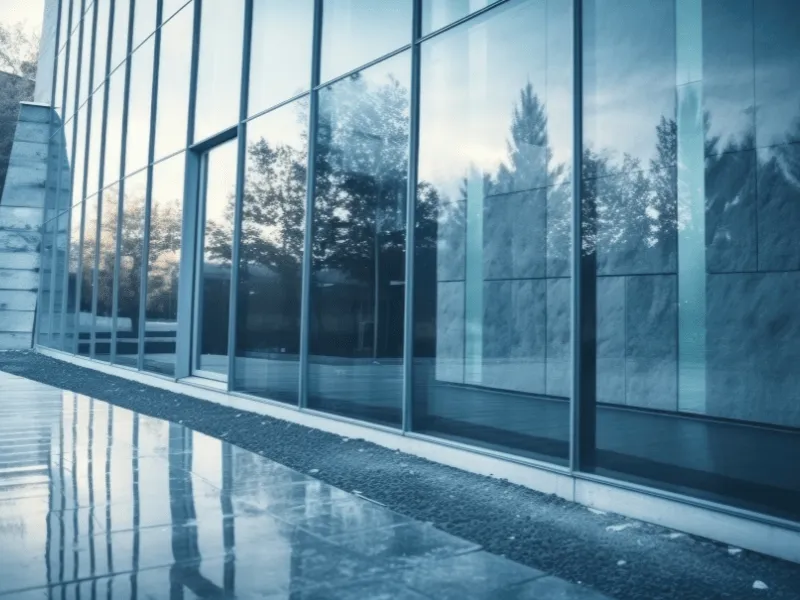
In the event of a hurricane, windows and doors are the most at risk. Impact-resistant window glass and shutters can lessen the amount of debris and add an extra layer of protection by being able to withstand outside debris that may hit due to strong winds.
Specifically, laminated glass, or “hurricane glass” has a stronger polymer layer between the two standard window panes. Glass design and manufacturing company Pella says that “for the best performance, the laminated glass may be located on either the interior or exterior pane of insulating glass, depending on the product.” The same can be said for door frames and seals; wind-resistant frames will be able to handle what pressures the storm may bring, while stronger seals keep unwanted water out of the building.
Walls & Foundation
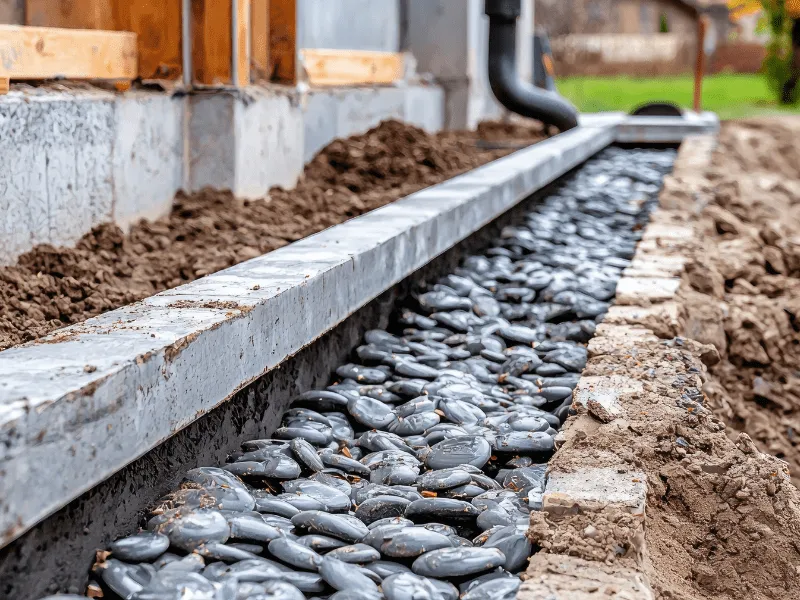
Protecting your building’s walls is key to its survival during a hurricane. Begin by strengthening weak points. According to architecture blog The Constructor, “the building’s structure should be able to disperse energy away from the building in the event of debris impact or other extreme occurrences.” Strengthening areas by installing bracing systems, shear walls, and cross-bracing will reduce risk of instability during a storm.
Foundationally, following construction code is essential. GDI Engineering says that “these codes and standards serve as guidelines for architects, engineers, and builders to ensure that structures are designed and constructed to withstand the forces exerted by powerful winds.”
For more information on commercial, industrial, and residential building codes, visit the Federal Emergency Management Agency’s study Building Codes Save: A Nationwide Study of Loss Prevention.
Notifications