When a commercial construction budget starts climbing, the phrase value engineering often enters the conversation. For many owners, that phrase sounds like a warning. They picture lower-grade finishes, reduced scope, or a building that no longer reflects the original vision.
That is not value engineering. That is cost cutting.
True value engineering is a structured process for getting more performance from every project dollar. It asks a better question than "What can we remove?" It asks, "What does this project need to accomplish, and is there a smarter way to accomplish it?"
Done correctly, value engineering protects the function, quality, and design intent of a commercial project while identifying opportunities to improve cost, constructability, schedule, maintenance, and long-term performance. It is one of the most effective tools an owner can use to prevent budget pressure from turning into compromise.
Value Engineering Is Not the Same as Choosing the Cheapest Option
The lowest first cost is not always the best value.
A less expensive roofing system that needs replacement years earlier may cost more over the life of the building. A cheaper mechanical unit that uses more energy can erase its initial savings through higher operating costs. Removing a feature without understanding its purpose can create code, maintenance, or usability problems later.
Value engineering looks beyond the purchase price. Every option should be evaluated against the outcomes the project needs to deliver:
- Does it preserve the intended function of the space?
- Does it meet Florida Building Code and local permitting requirements?
- Will it perform in Northeast Florida's heat, humidity, wind, and rain?
- Does it simplify construction or reduce schedule risk?
- What will it cost to operate, maintain, repair, and eventually replace?
- Does it protect the owner's priorities and the user's experience?
The goal is not a cheaper building. The goal is a better-performing project at the right cost.
Why Commercial Construction Budgets Drift
Budget overruns rarely come from one dramatic decision. More often, they grow through dozens of smaller issues that compound over time.
Early estimates may rely on assumptions that change as the design develops. Material pricing can move. Long-lead equipment can affect the schedule. A design detail that looks simple on paper may require custom fabrication or difficult field coordination. Site conditions, utility conflicts, permitting comments, and incomplete documents can all add cost.
The later these issues are discovered, the fewer good options remain. By the time construction is underway, changing a detail may affect purchased materials, completed work, trade contracts, and the critical path.
That is why effective value engineering belongs in pre-construction, not as a last-minute reaction after bids come in over budget.
Where Smart Value Engineering Finds Savings
The strongest value-engineering ideas are rarely flashy. They come from understanding how design decisions affect materials, labor, sequencing, and long-term ownership.
Structural Systems and Building Dimensions
Small changes to column spacing, wall layout, roof geometry, or standard material dimensions can reduce custom fabrication and material waste. The building can keep the same function and appearance while becoming simpler and more efficient to construct.
Mechanical, Electrical, and Plumbing Coordination
Right-sizing equipment and coordinating routes early can reduce unnecessary capacity, shorten runs, and prevent conflicts above ceilings or inside walls. This can lower installation cost while improving energy performance and future service access.
Building Envelope and Material Selection
Exterior assemblies should be compared by more than appearance and initial price. Wind resistance, moisture performance, insulation value, warranty coverage, local availability, and maintenance all matter in Florida. A well-selected alternative may meet the same design intent with better availability or a stronger lifecycle value.
Interior Finishes
Owners can often protect the look and feel of a space while adjusting finish specifications based on where durability matters most. A premium material may be worth keeping in high-visibility or high-traffic areas, while a comparable commercial-grade option may perform just as well elsewhere.
Site Work and Drainage
Grading, stormwater, utilities, paving, and landscaping can represent a significant portion of a Florida project's budget. Early coordination between civil design and construction can reduce unnecessary earthwork, avoid utility conflicts, and create a more efficient installation sequence without weakening site performance.
Procurement and Scheduling
Value is not limited to materials. Releasing long-lead items early, packaging work strategically, standardizing selections, and sequencing trades more efficiently can reduce escalation, avoid delays, and limit remobilization costs.
The Best Time to Value Engineer Is Before the Drawings Are Finished
Owners gain the most leverage when the contractor is involved early enough to influence decisions before they become expensive to change.
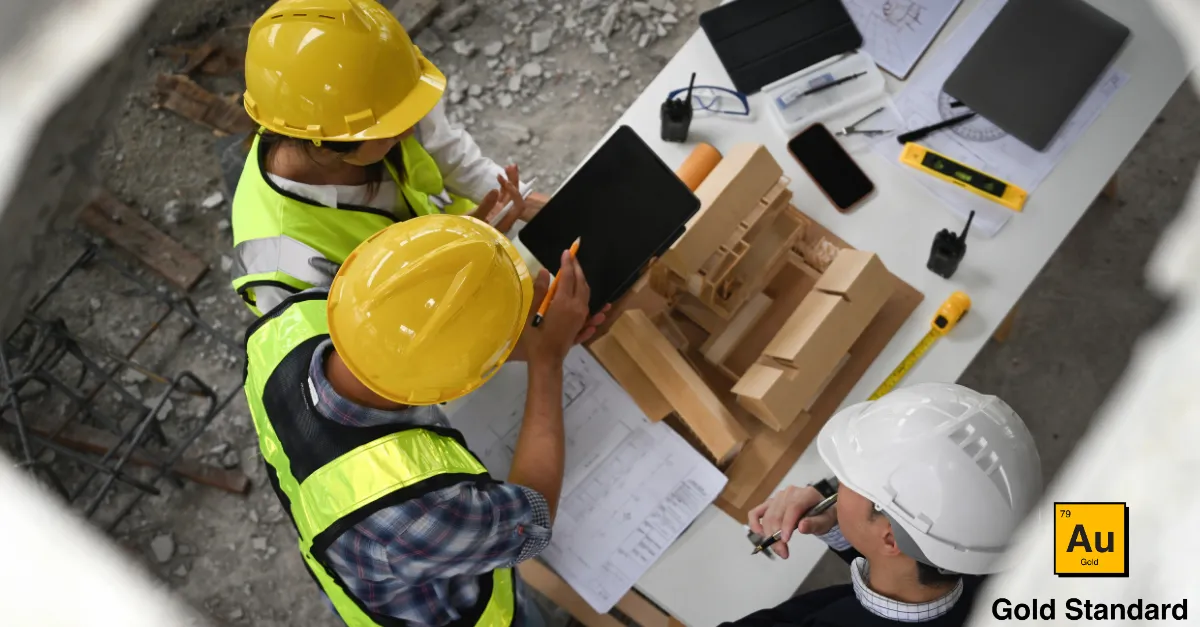
During design development, the team can compare systems, validate assumptions, price alternatives, and test constructability while the project is still flexible. The architect can preserve the design intent, engineers can confirm performance, and the contractor can bring current market knowledge to the table.
Waiting until final bids are received often turns value engineering into a rushed list of deletions. Starting early turns it into a strategic design and planning process.
What a Disciplined Value-Engineering Process Looks Like
value engineering starts with understanding what the owner is trying to achieve. Before recommending an alternative, we need to know which outcomes are non-negotiable and where flexibility exists.
A disciplined process includes:
- Define the required outcomes. Clarify operational needs, design priorities, durability expectations, schedule, and budget.
- Identify the real cost drivers. Focus attention on the systems, details, and risks with the greatest budget impact.
- Develop practical alternatives. Compare materials, systems, layouts, procurement strategies, and construction methods.
- Evaluate the full impact. Review first cost, lifecycle cost, schedule, code compliance, maintenance, quality, and design.
- Document the decision. Make sure the owner understands what changes, what stays protected, and why the recommendation creates value.
This process gives owners clear choices instead of vague promises. It also keeps the entire design and construction team aligned around the same priorities.
What Should Never Be Sacrificed
Value engineering should never compromise life safety, structural integrity, accessibility, code compliance, weather resistance, or the core function of the building. It should not quietly shift costs from construction into maintenance, operations, or premature replacement.
It should also respect the owner's reason for building in the first place. A retail space still needs to support the customer experience. A medical or professional office still needs to work for staff and visitors. An industrial facility still needs the capacity, circulation, and durability its operations demand.
If an idea saves money but prevents the building from doing its job, it is not value engineering.
A Better Way to Protect the Budget
Commercial owners should not have to choose between fiscal discipline and a project they are proud to own. With the right construction expertise at the table early, budget control becomes part of the design process rather than a painful correction at the end.
Our Value Engineering Services bring real construction knowledge to those early decisions. We help owners understand where their money is going, compare alternatives honestly, and protect the quality and performance that matter most.
Planning a commercial or industrial project in Jacksonville or Northeast Florida? Contact our team to discuss how strategic value engineering can keep your project aligned with its budget without cutting corners.